Expanded Shale Clay and Slate Institute
- 1 Products
- Landscape & Sitework
 United States
 Institutional, Residential, Commercial
 Midwest
- Active
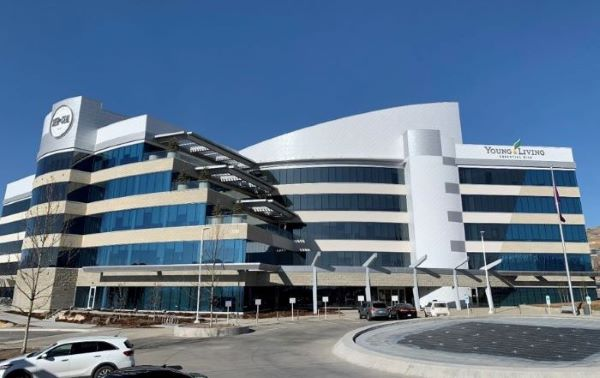
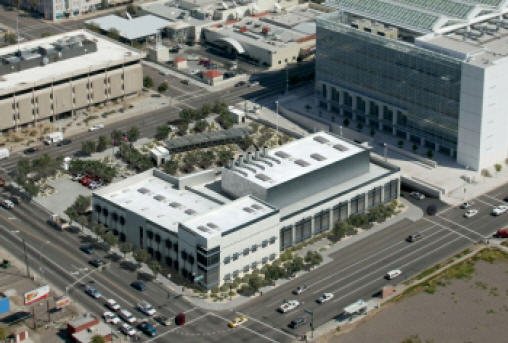
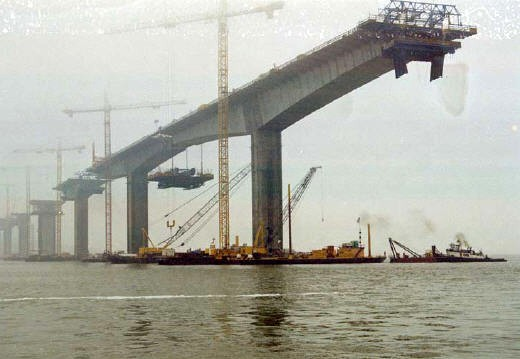
ESCS gives designers greater flexibility in creating solutions to meet the challenges of dead load, energy requirements, terrain, seismic conditions, construction schedules and budgets in today’s market environment.
Explore All Products (1)

About the Brand
Environmental Benefits
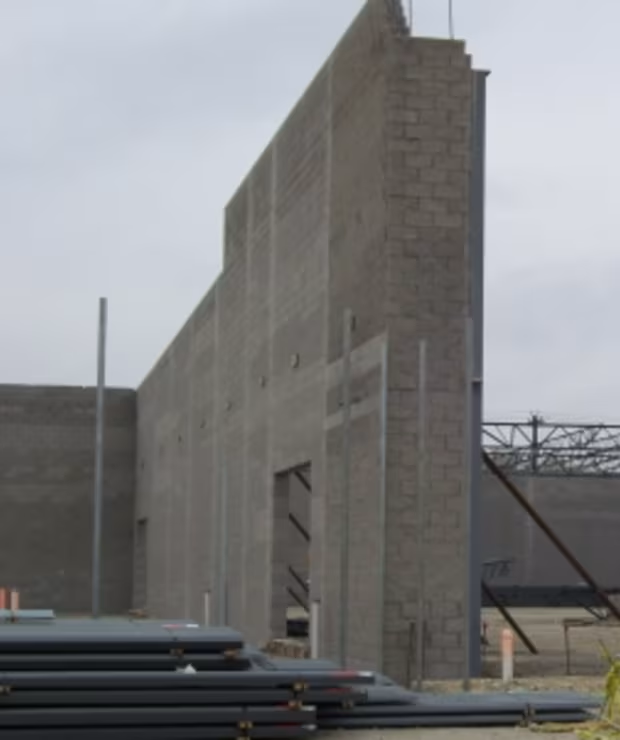
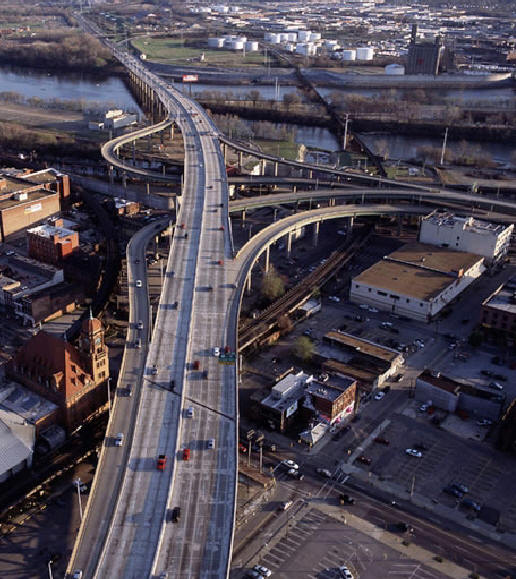
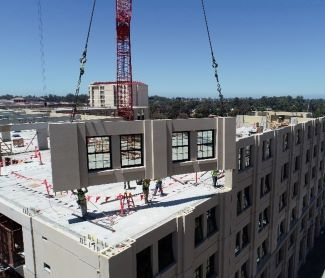
The use of ESCS lightweight aggregate in concrete saves materials, labor and transportation costs, and improves the performance and service life of concrete. Using lightweight aggregate can lower the overall energy consumption of structures throughout their useful lives

Cost-Efficient Solutions
When the increased up-front cost for lighter concretes and concrete products made with ESCS lightweight aggregate is evaluated, most often, this cost premium is more than offset by the cost savings in labor, lower dead loads, better fire resistance resulting in reduced concrete thickness and less
Enhanced Fire Resistance
Lightweight concrete is more fire-resistant than ordinary normal weight concrete because of its lower thermal conductivity, lower coefficient of thermal expansion, and the inherent thermal stability of an aggregate already heated to more than 2000º F degrees.
Design Insights
Inspiration
About Expanded Shale Clay and Slate Institute
www.escsi.orgESCS as manufactured by the rotary kiln process was originally developed in 1908 and patented by Stephen J. Hayde in 1918 as Haydite, today, it is available throughout most of the world.
Chicago (Corporate Address)
+1 (801) 272-7070
35 East Wacker Dr., Suite 850, Chicago, Illinois IL 60601, United States of America


